
How Tea Processing Shapes Flavor: Craft as the Origin of Tea
How Technique Shapes Tea Identity
When discussing tea origin, attention often focuses on geography, mountains, soil, and climate.
Yet tea identity does not emerge from environment alone.
After harvest, every leaf enters a sequence of human decisions: how it is handled, heated, shaped, and transformed. These techniques determine whether a tea becomes bright or deep, smooth or structured.
Craft, therefore, is not secondary to origin.
It is an essential part of it.
Harvesting: The First Decision
Tea craft begins long before processing.
The moment leaves are picked influences the entire character of the tea. Producers must decide:
- which shoots to harvest
- how mature the leaves should be
- how quickly they must be processed
Young buds often produce sweeter and softer teas, while more mature leaves introduce stronger body and deeper vegetal notes.
In some regions, harvesting is done mechanically for efficiency. In others, careful hand selection allows producers to control the balance of sweetness, aroma, and texture.
Even before processing begins, craft has already shaped the tea’s potential.
Steaming, Heating, and Oxidation
Once harvested, tea leaves begin to change rapidly.
Enzymatic activity starts to oxidize the leaf, gradually transforming its chemical composition. Tea makers control this process through heat.
Different approaches produce different styles of tea:
- Steaming preserves green color and fresh vegetal aromas.
- Pan heating or roasting introduces warmer notes and reduces grassy intensity.
- Controlled oxidation deepens aroma and softens structure.
These steps require careful timing. A difference of minutes — or even seconds — can change the balance between sweetness, bitterness, and aroma.
Processing is therefore both technical and intuitive.
Stone Grinding and Powdered Tea

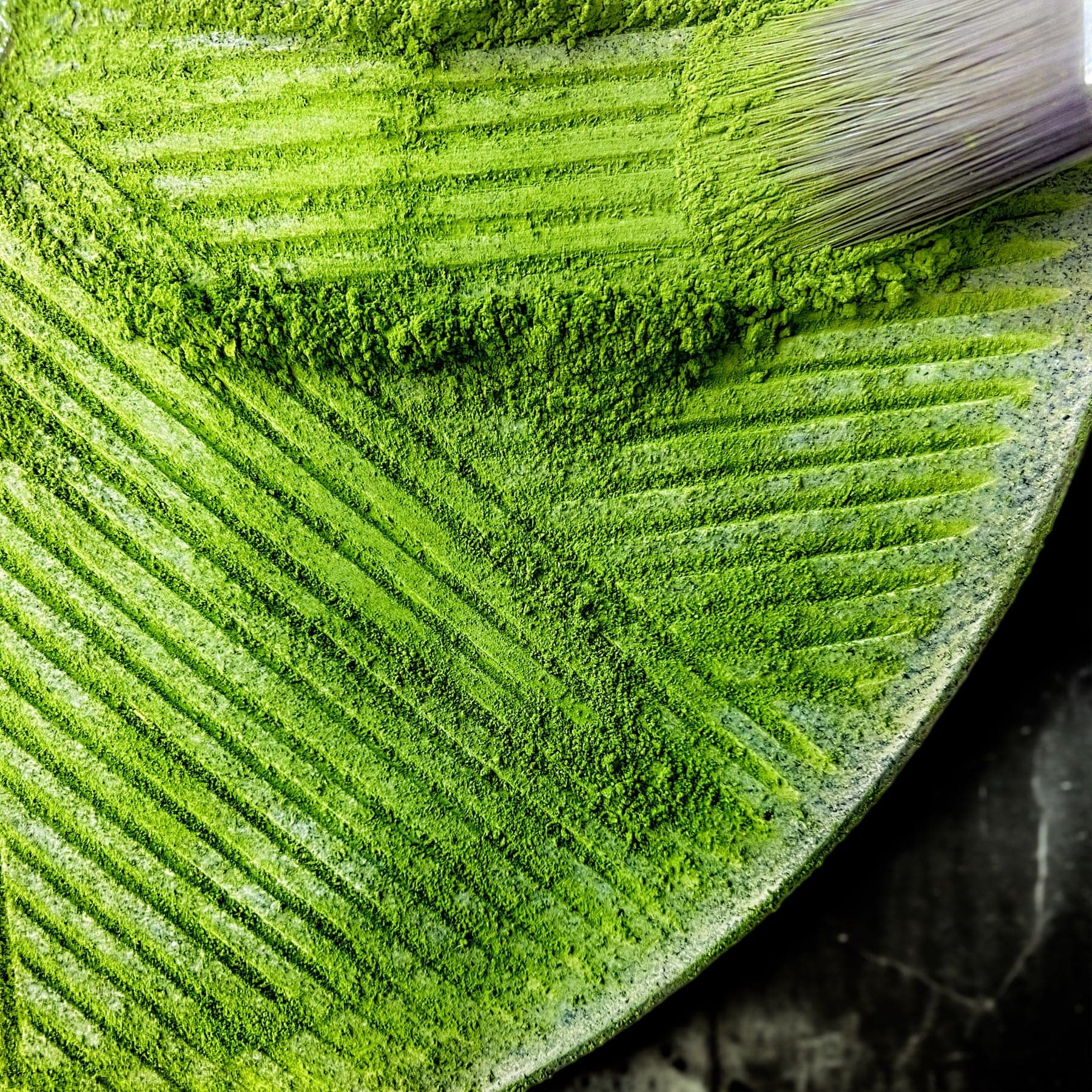
 For powdered teas such as matcha, craft continues after drying and shaping.
Traditional stone mills grind tea leaves slowly into an extremely fine powder. The process must remain slow enough to prevent heat buildup, which can damage aroma compounds and alter flavor.
This careful grinding produces the smooth texture and suspension that define powdered tea preparation.
The rhythm of the mill, steady and controlled, reflects centuries of refinement.
Roasting: Transforming Aroma
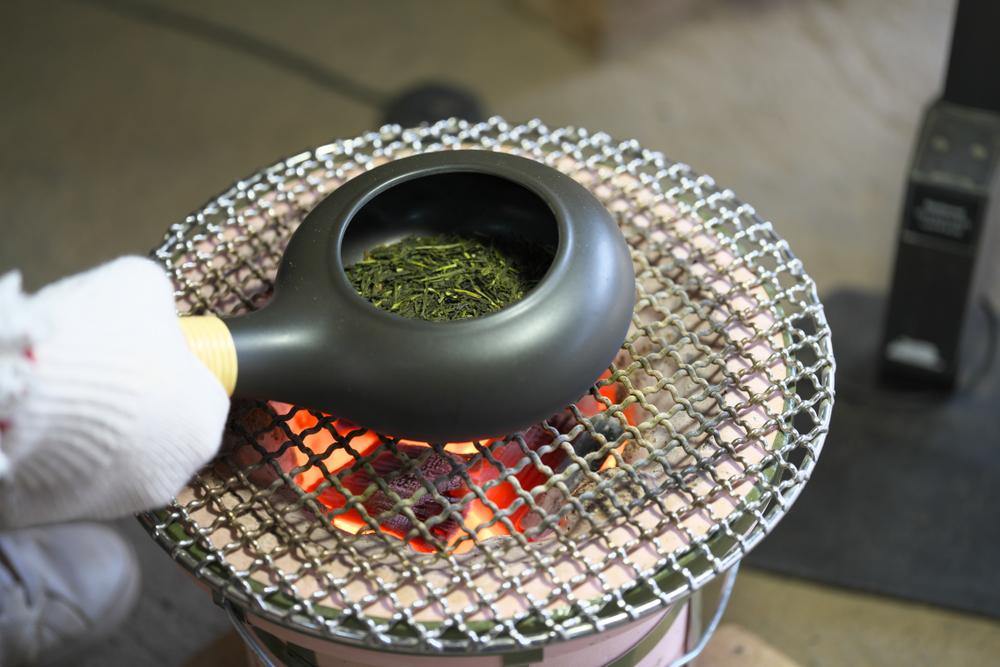

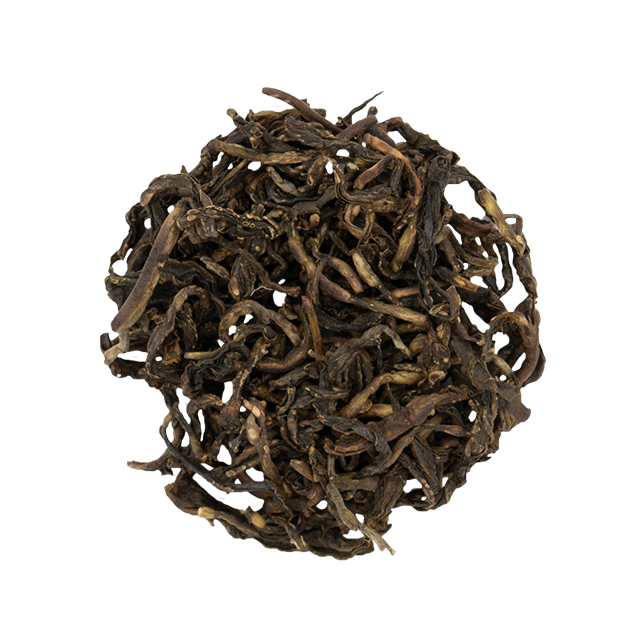
Roasting introduces another layer of transformation.
When green tea leaves are exposed to heat:
- grassy aromas soften
- caramelized notes develop
- bitterness decreases
- body becomes warmer and rounder
Roasting temperature and duration determine whether the tea expresses gentle nuttiness or deeper toasted complexity.
Through roasting, craft reshapes the expression of the leaf without erasing its origin.
Craft as an Invisible Landscape
Tea origin is often described through geography.
But behind every tea is another landscape, one defined by knowledge, experience, and generational technique.
Processing decisions guide the transformation from leaf to beverage. They determine structure, aroma, and texture.
In this sense, craft becomes a second terroir, an invisible environment created by human hands.
Tea is not only grown.
It is made.
And within that making lies the continuation of tradition.