
Terroir in Practice
Shizuoka vs Uji: How Environment Shapes Tea Flavor
When discussing tea origin, theory is helpful — but regions reveal the truth.
Two teas grown in different landscapes, even within the same country, can express entirely different personalities. Japan offers a clear example through the contrast between Shizuoka and Uji.
Shizuoka: Scale, Sunlight, and Clarity


Shizuoka is Japan’s largest tea-producing region, accounting for a significant portion of the country’s output.
Environmental characteristics:
- Broad, open tea fields
- Volcanic soil deposits
- Coastal air circulation
- Strong seasonal sunlight
These conditions typically produce teas that are:
- Bright and vegetal
- Clean in structure
- Light to medium-bodied
- Refreshing with a crisp finish
Because of its scale and climatic diversity, Shizuoka produces a wide spectrum of green teas. However, the regional identity often leans toward clarity and balance rather than deep intensity.
Uji: Mist, Refinement, and Depth

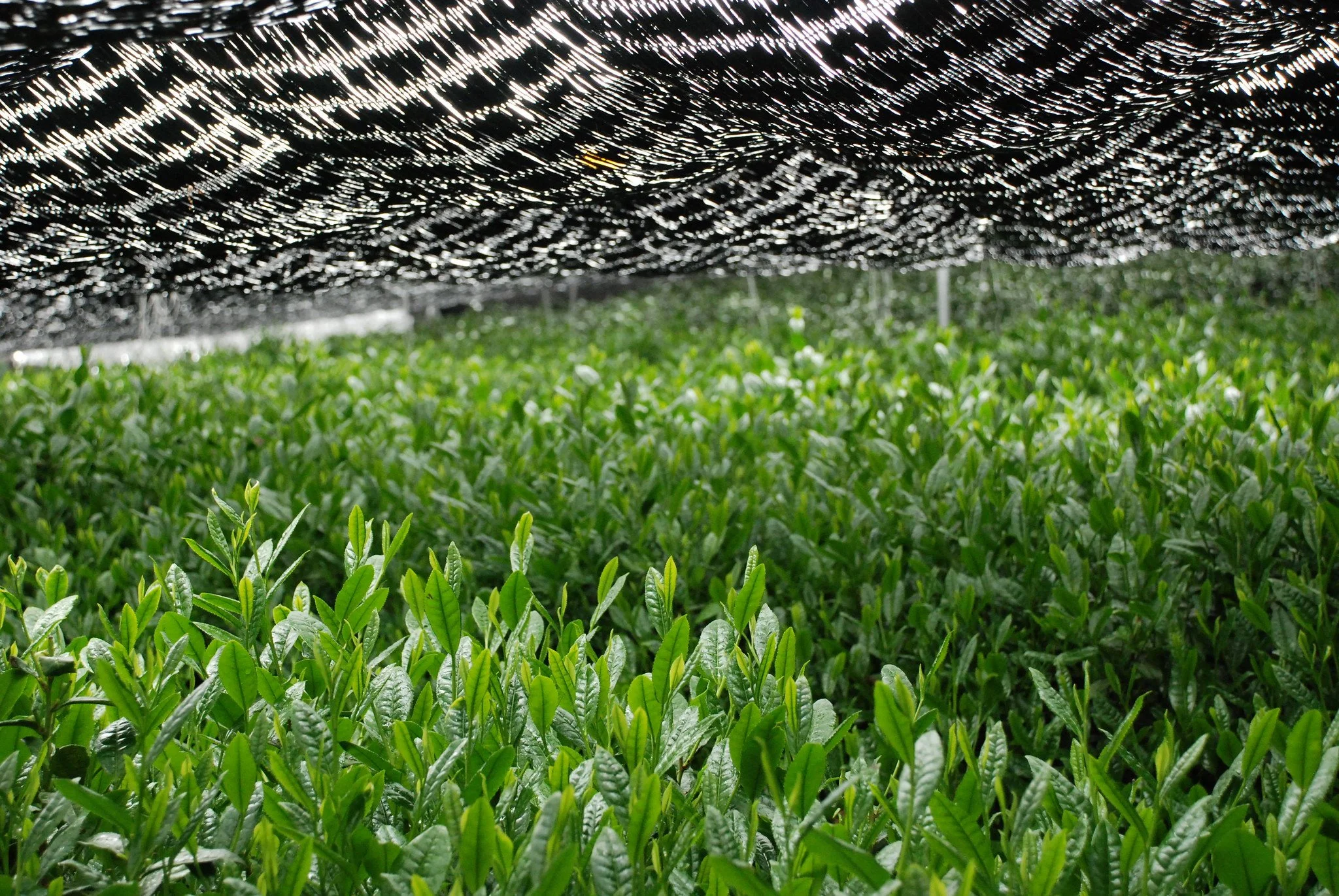
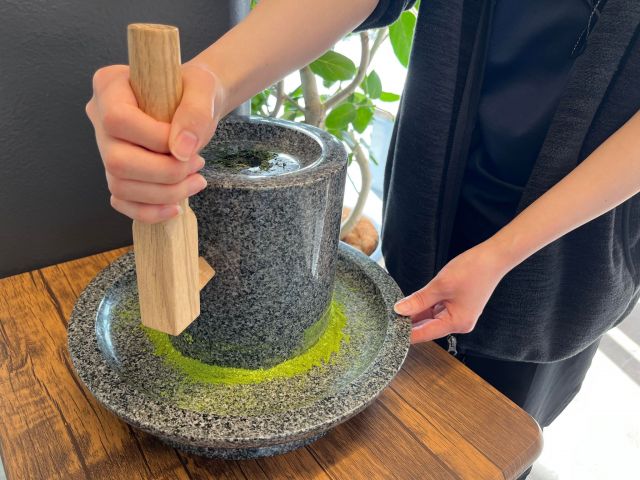
Uji, located near Kyoto, is historically associated with high-grade tea cultivation and ceremonial traditions.
Environmental characteristics:
- River valley mist
- Carefully managed shading techniques
- Smaller, more traditional plots
- Controlled microclimates
Teas from Uji are often described as:
- Rich in umami
- Smooth and layered
- Rounded in bitterness
- Dense in mouthfeel
Shading practice, where tea plants are covered before harvest, increases amino acid content, enhancing sweetness and depth.
Uji’s terroir, combined with historical cultivation methods, yields a more structured, often more concentrated flavor profile.
How Roasting Alters Regional Identity
Terroir provides the foundation, but heat reshapes expression.
When green tea leaves are roasted to produce hojicha:
- Grassy notes diminish
- Caramelized aromatics develop
- Bitterness softens
- The body becomes warmer and smoother
Roasting can reduce regional sharpness and introduce toasted sweetness. However, the underlying leaf still carries its environmental signature.
A hojicha made from Shizuoka-grown leaves may feel lighter and cleaner.
A hojicha from Uji-origin leaves may retain a deeper structure beneath the roast.
Terroir remains present, even after fire transforms it.
Why Regional Terroir Matters
Understanding regional differences helps explain:
- Why do two Japanese green teas taste different
- Why some teas feel brisk while others feel creamy
- Why environmental conditions influence aroma stability
Tea flavor is not random.
It reflects altitude, soil, climate, and agricultural practice.
Shizuoka and Uji demonstrate that tea origin is not a marketing story — it is a measurable expression of environment.